KNOWLEDGE · EDUCATION · CONTINUITY
The Institute
Since 2005, we have been developing Organization As A Natural Science.
Natural order as the source of study. Continuity as the deliverable.
01 · Our foundation
2004
Asian tsunami 2004
The Asian tsunami prompts reflection on societies’ organizational preparedness.
2005
Foundation
Org. A. J. Rosenzweig founds the Instituto Mundial De Organización y Planeación Avanzada.
2006
Foundations
Establishing the object, subject and source of study. Continuity as the deliverable; natural order as the source of study.
Development of OCCN
An institutional field of knowledge studying organization through natural order and continuity.
2027
Today
A new stage for the Institute: integration of artificial intelligence, a multicultural and multilingual Web Campus, and digital tools for learning and applying organizational knowledge.
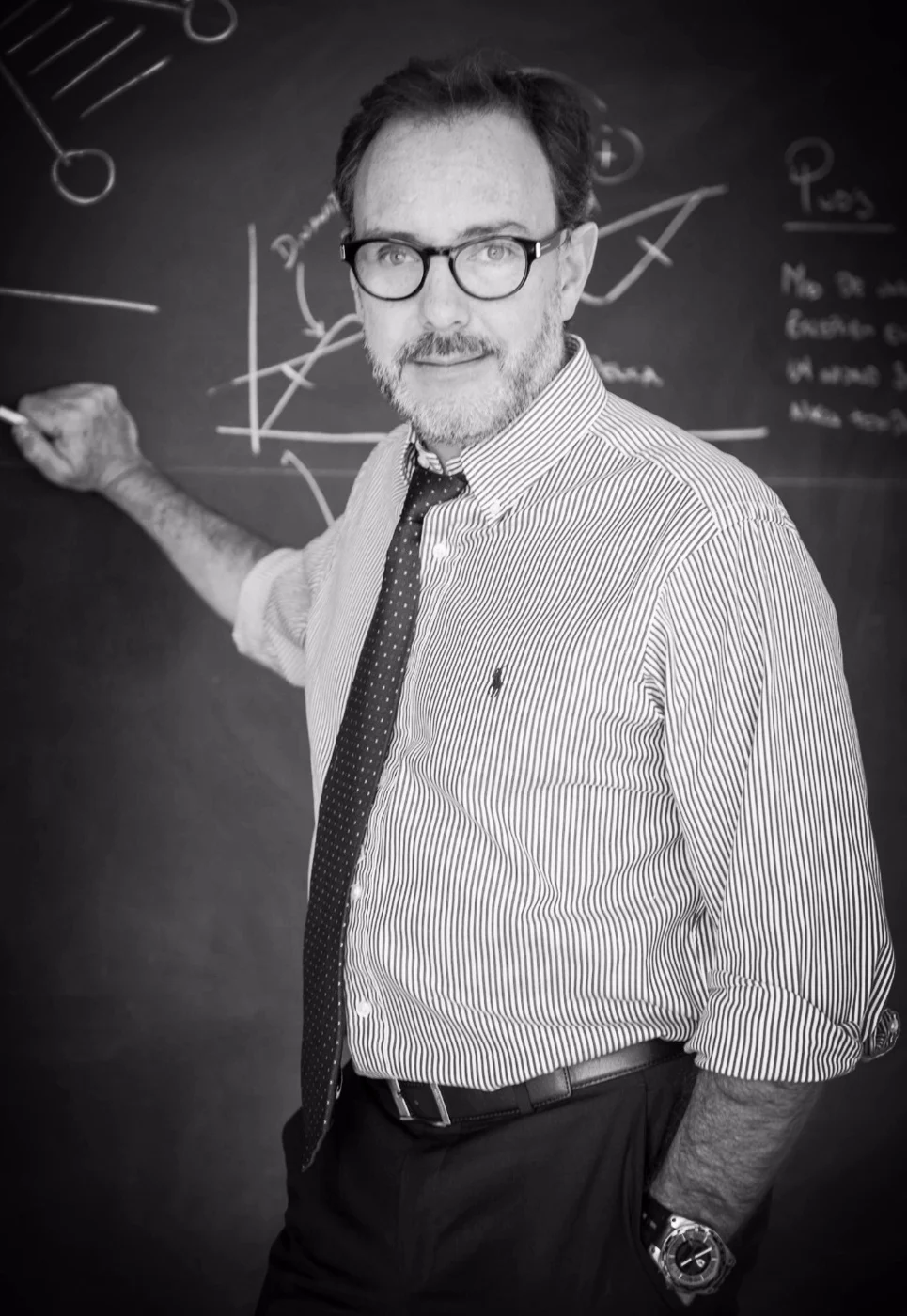
Org. A. J. Rosenzweig · Founder
02 · How the Institute is structured
Explore each component: hover, tap or use the keyboard to discover its role.
Governing Bodies
ViewHide
Council, Rectorship and Executive Board. They safeguard institutional values and guide the Institute.
Council
A reference for experience and values. It oversees the Institute’s ethical and moral life and has authority to expel students for ethical or moral misconduct.
Rectorship
The Rector is responsible for creating the conditions for the Institute to function, supported by technical secretariats and the appropriate bodies.
Executive Board
Brings together the heads of the nine directorates and the Rectorship. It establishes practical objectives and the Institute’s executive agenda.
Executive Body
ViewHide
Nine specialized directorates develop knowledge, teach it and coordinate its application.
9 Directorates
01 · Research
Establishes research directions and foundations for developing organizational knowledge.
02 · Academic
Develops pedagogy, teaching, assessment and accompaniment across the Institute’s education formats.
03 · Communities
Coordinates and integrates the Institute’s communities and their gatherings and exchanges.
04 · Liaison
Channels supply and demand, connecting needs with the Institute’s capabilities and proposals.
05 · Operations
Coordinates the application of organizational knowledge in projects and practical settings.
06 · Outreach
Shares OCCN knowledge and communicates the institutional proposal.
07 · Certification and Standards
Establishes standards and rules for the Institute’s certification and regulatory activities.
08 · Systems
Develops institutional technology: websites, campus, applications and digital tools.
09 · Administration
Supports the economic and administrative conditions for the Institute’s operation and development.
Communities
ViewHide
SIO, C.I.O.®, CIPO and Young Organizers bring together different forms of participation around organizational knowledge.
SIO
International Society Of Organizers.
C.I.O.®
International Community Of Organizers.
CIPO
International Community Of Suppliers To The Organization Sector.
Young Organizers
Community of young organizers aged 15 to 21.
Representations
ViewHide
Global Coordination
Attached to the Administration Directorate. Creates integrated proposals for schools, universities and Institute projects in different parts of the world.
Regional Representation
Attached to the Administration Directorate. Integrates the institutional proposal to develop OCCN in a specific region.
Local Office
The Institute’s presence and operations in a locality.
03 · Our history
View photos and moreHide
A journey beginning with the founder’s professional experience and continuing through the Institute’s development. Select each year to explore projects, knowledge and photographs.
1990 · Early work in complex organization
View photos and moreHide
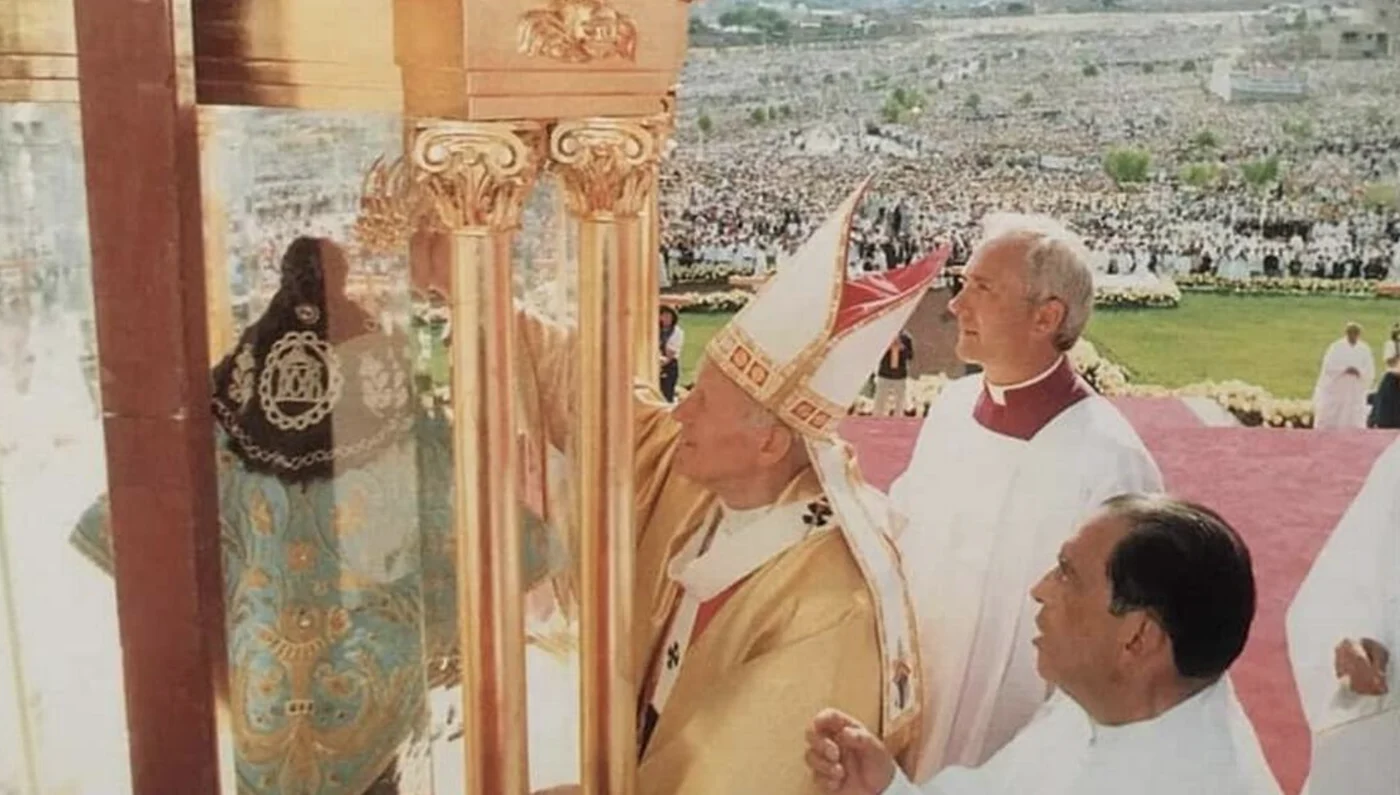
The founder’s professional work predates the Institute. In 1990 he participated in organizing 5,000 young people from Querétaro for a youth gathering with Pope John Paul II.
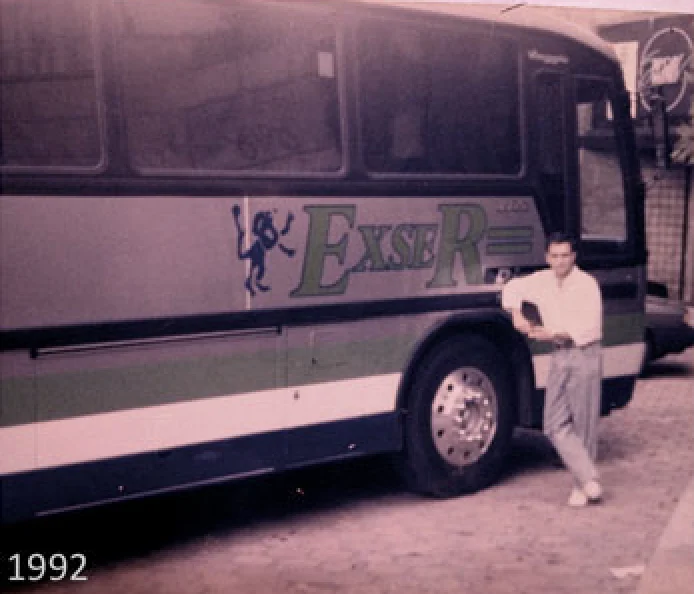
During his entrepreneurial period he developed Exser, a transport service without terminals. The institutional archive records its later acquisition by Grupo Flecha Amarilla and its evolution into Aeroplus.
Early work in complex organization
Early work in complex organization
1999 · Casa Santa Fe and large gatherings
View photos and moreHide
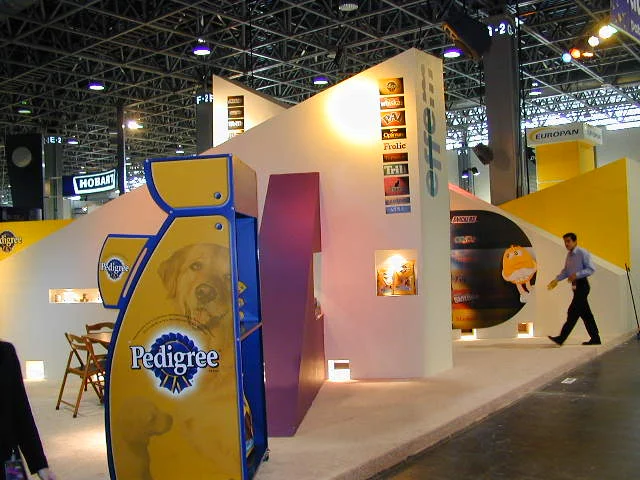
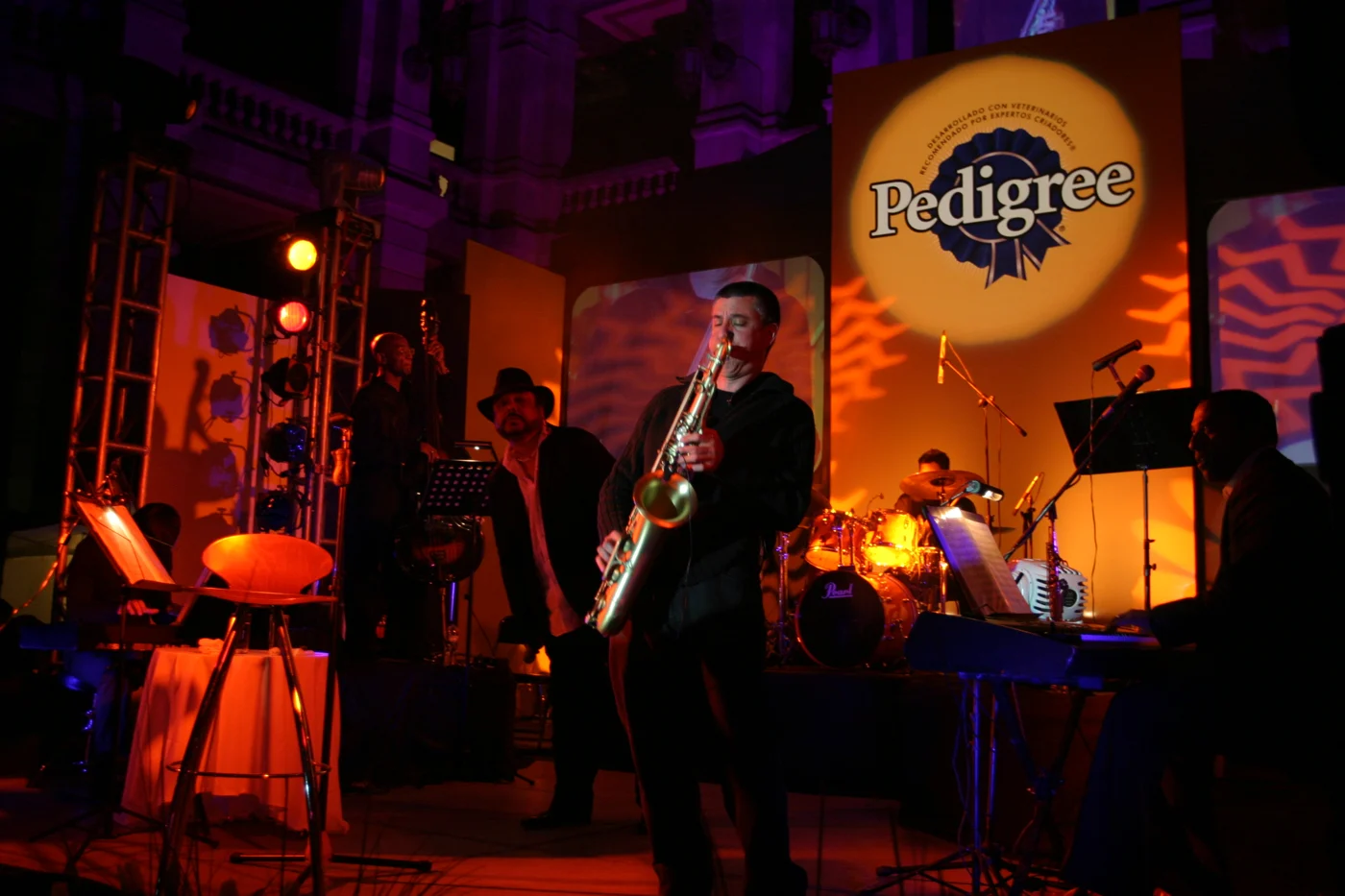
Earlier experience led to Casa Santa Fe Organización de Eventos and participation in a papal visit to Mexico. Work expanded into corporate accounts, including Productos Pennsylvania and Industrias de Turborreactores.
Work with Mars Inc. began in conventions, trade shows, launches and customer travel, seeking to turn events into tools for achieving objectives.

Casa Santa Fe and large gatherings
Casa Santa Fe and large gatherings
Casa Santa Fe and large gatherings
2000 · Consolidation of corporate work
View photos and moreHide
Casa Santa Fe expanded its work across the event portfolio of Mars Inc. Mexico and strategic events for Nestlé and Unilever. The institutional archive also records organizational culture projects for companies establishing themselves in Querétaro.
2001 · Organization in government settings
View photos and moreHide
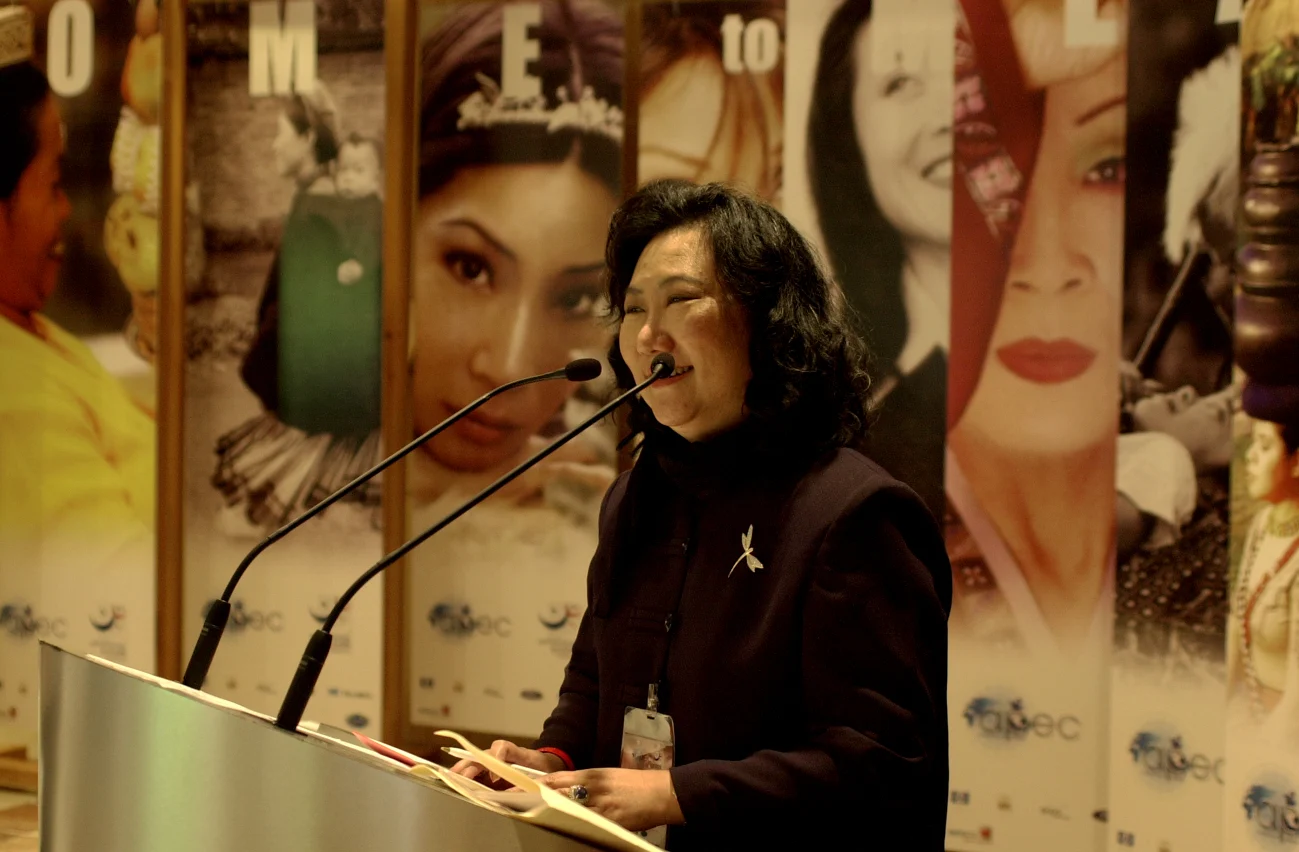
Work began with Mexico’s federal government during Vicente Fox’s presidency, with particular attention to events addressing gender issues. This stage broadened experience across institutional settings.

Organization in government settings
Organization in government settings
2002 · International projects and APEC
View photos and moreHide
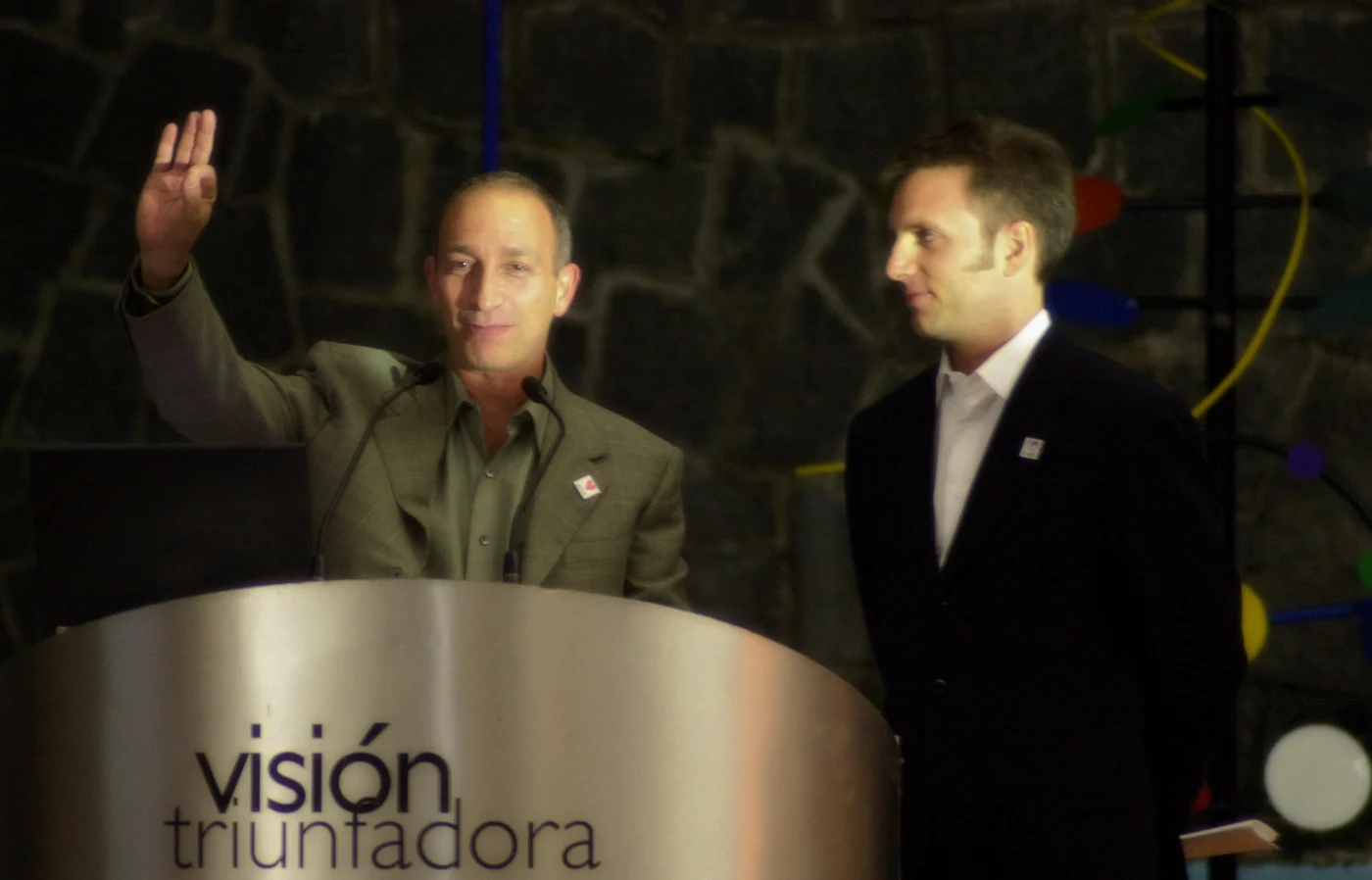
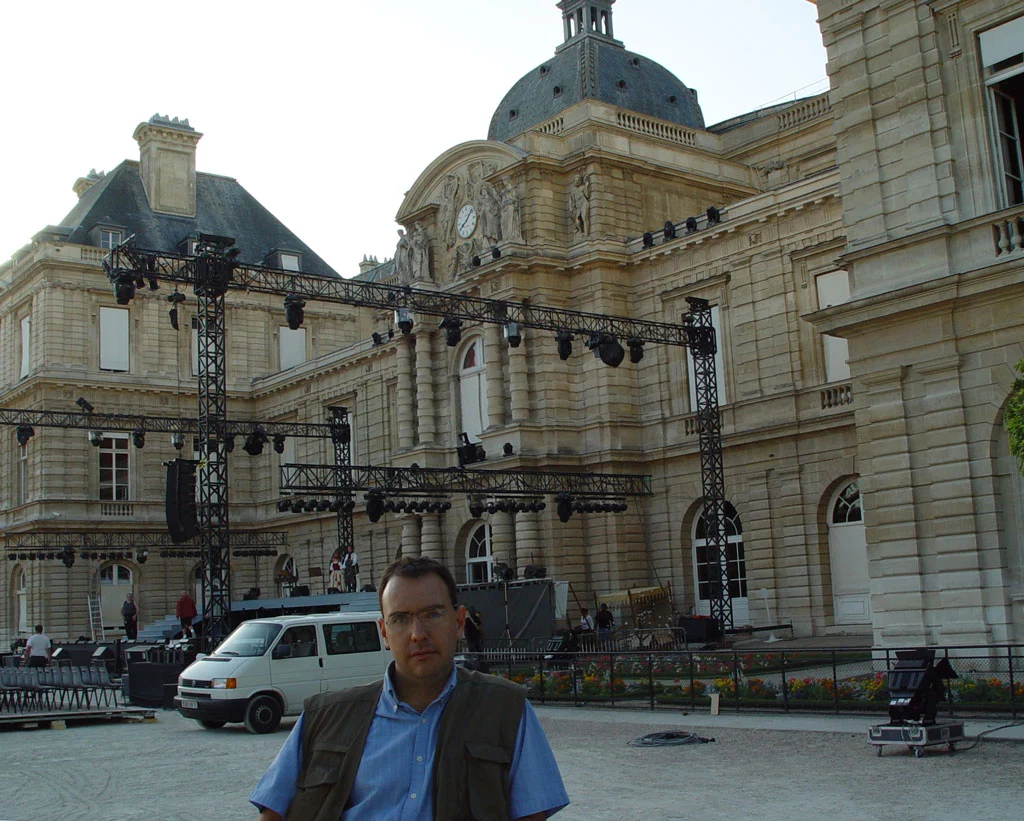
The institutional archive records implementation in Mexico of a global organizational culture initiative for Mars Inc., within a program spanning 82 countries.
It also records participation in organizing APEC 2002, comprising 17 ministerial and sectoral gatherings and a presidential summit; events for the US representation in France; and projects in industrial sectors.
International projects and APEC
International projects and APEC
International projects and APEC
2003 · Transforming the organizational model
View photos and moreHide
Casa Santa Fe reorganized its business model to expand operational capacity without increasing positions in its organizational chart. This search for new ways to integrate resources and capabilities preceded the Institute.
2004 · The Asian tsunami: a turning point
View photos and moreHide
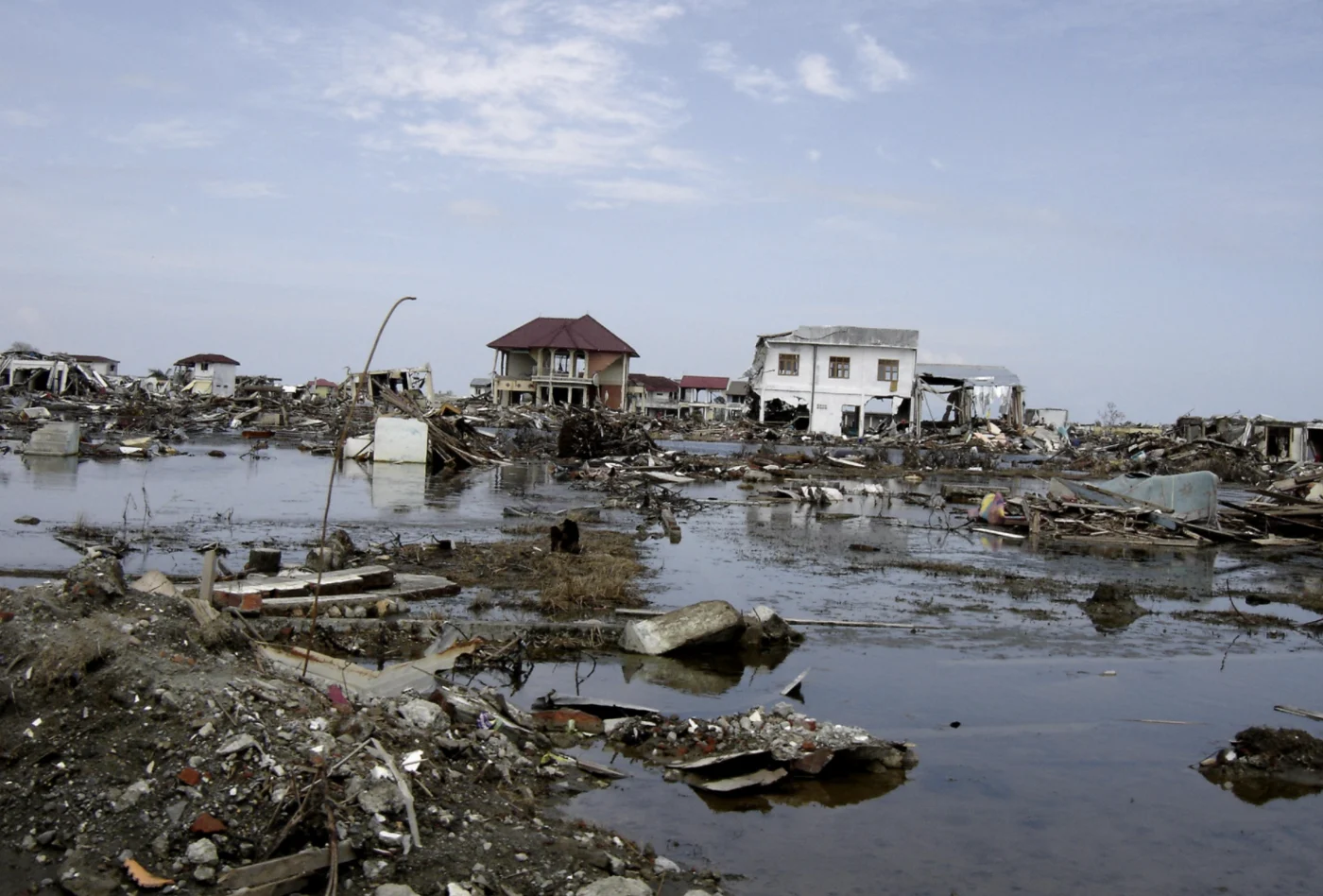
The December 2004 tsunami gave new direction to the founder’s reflection on organization. The scale of the emergency prompted questions about how people and societies prepare for complex situations, and about the need for professional education in this field.
The Asian tsunami: a turning point
2005 · Foundation of the Institute
View photos and moreHide
In March 2005, Org. A. J. Rosenzweig founded the Instituto Mundial De Organización y Planeación Avanzada (IMOPA). Its purpose was to develop organization as a professional discipline and establish a field of education and study for complex situations.
Hurricane Katrina, which occurred after the founding, reinforced institutional reflection that year on organizational preparedness and disaster response.
Foundation of the Institute
2006 · Object, subject and source of study
View photos and moreHide
The 2006 doctrinal archive records three starting points:
- Object of organization: evolution.
- Subject of organization: continuity.
- Source of study: natural order.
Within this institutional development, continuity is established as organization’s deliverable and natural order as its source of study. These foundations open the development of Organization As A Natural Science.
2007 · Development of OCCN
View photos and moreHide
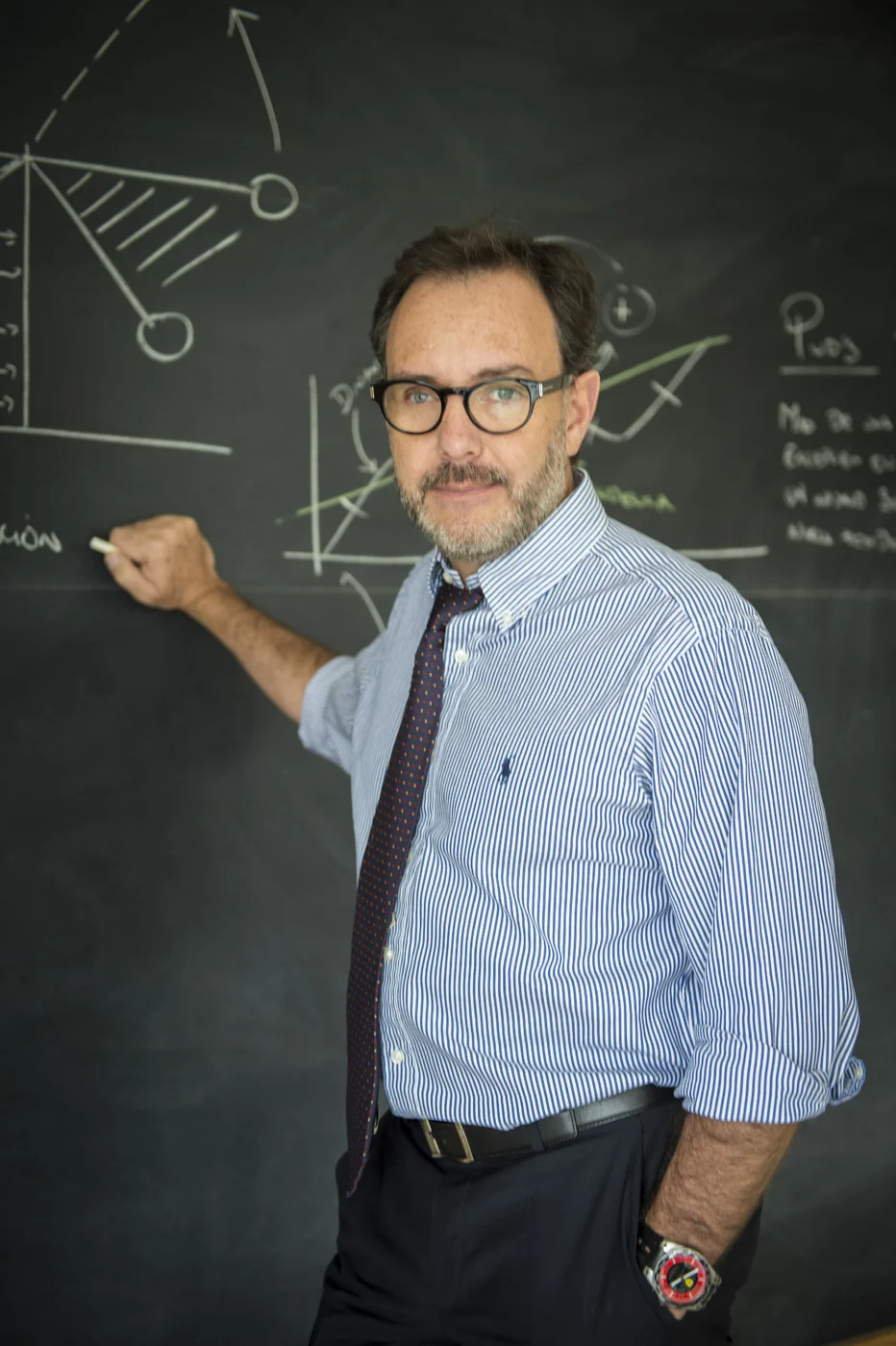
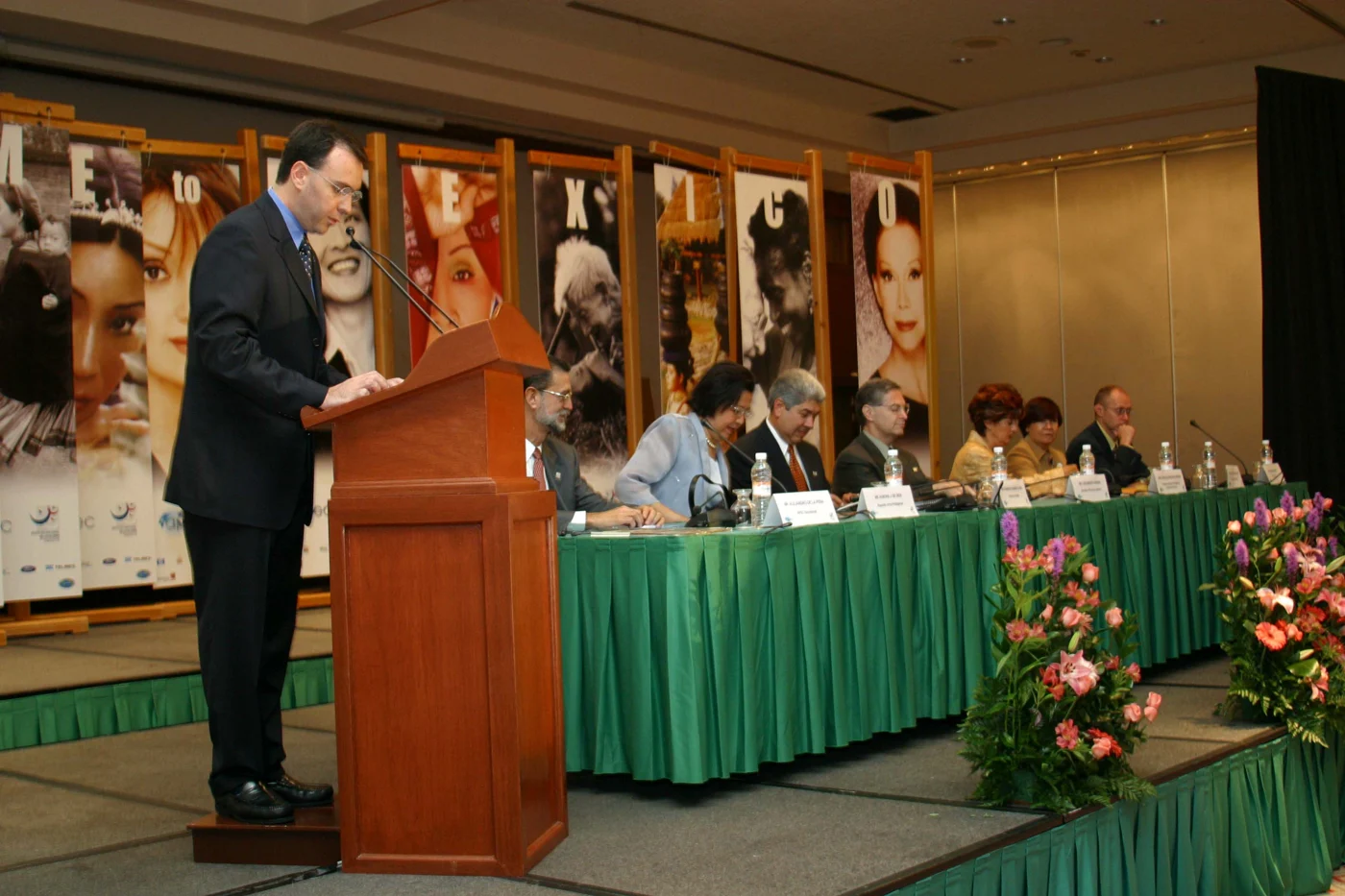
The institutional doctrine began to take shape: Universal Principles Of Organization, the Philosophical Platform Of Organizational Thought, sequential properties of matter, the Sequential Organization Algorithm, the IRT Organization Coefficient, Frequency Theory and the evolutionary behavior of order.
Universal Organizational Structures included the Pyramid Of Organizational Priorities, Organizational Cell, Cover Sheet, Programs, Sectorization and Operations Center, alongside the Classification Tree Of Organizational Phenomena.
Subjects included Organizational Communication, Cellular Organization, Mathematics Applied To Organization and Universal Organizational Structures. Methods included the Continuity Map, Planning By Conditions System, Global Organization Method and Sequential Design Of Futures. Definitions addressed organization, consciousness, interaction, equilibrium and sequence.
Development of OCCN
Development of OCCN
2014 · International dialogue on crises and disasters
View photos and moreHide
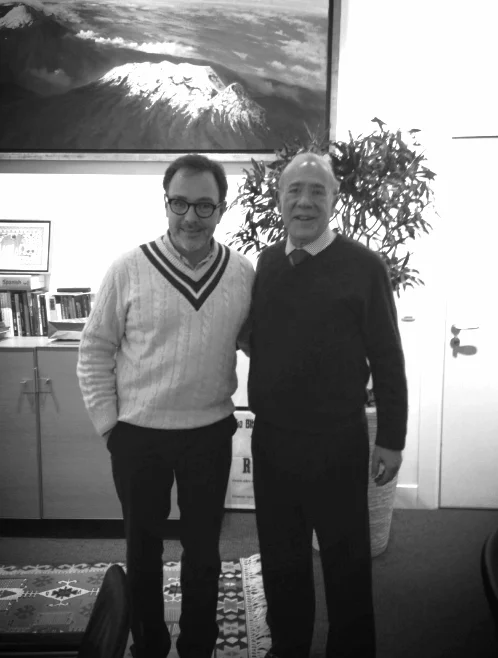
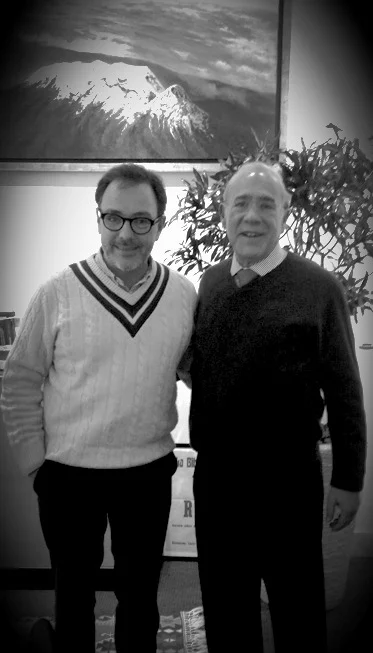
The Institute records participation in a high-level OECD forum in Paris, at the invitation of José Ángel Gurría. This stage brought together the development of organizational definitions of crisis and disaster and the design of the Universal Disaster Magnitude Scale.
International dialogue on crises and disasters
International dialogue on crises and disasters
International dialogue on crises and disasters
2016 · World Organization Institute
View photos and moreHide
The name was shortened from Instituto Mundial De Organización y Planeación Avanzada to Instituto Mundial De Organización, known in English as the World Organization Institute. Work progressed on organizing knowledge and building the academic structure.
The archive records participation in work on disaster definitions and numerical indicators in the United Nations setting in Geneva, Switzerland.
2017 · Academic content and scientific collaboration
View photos and moreHide
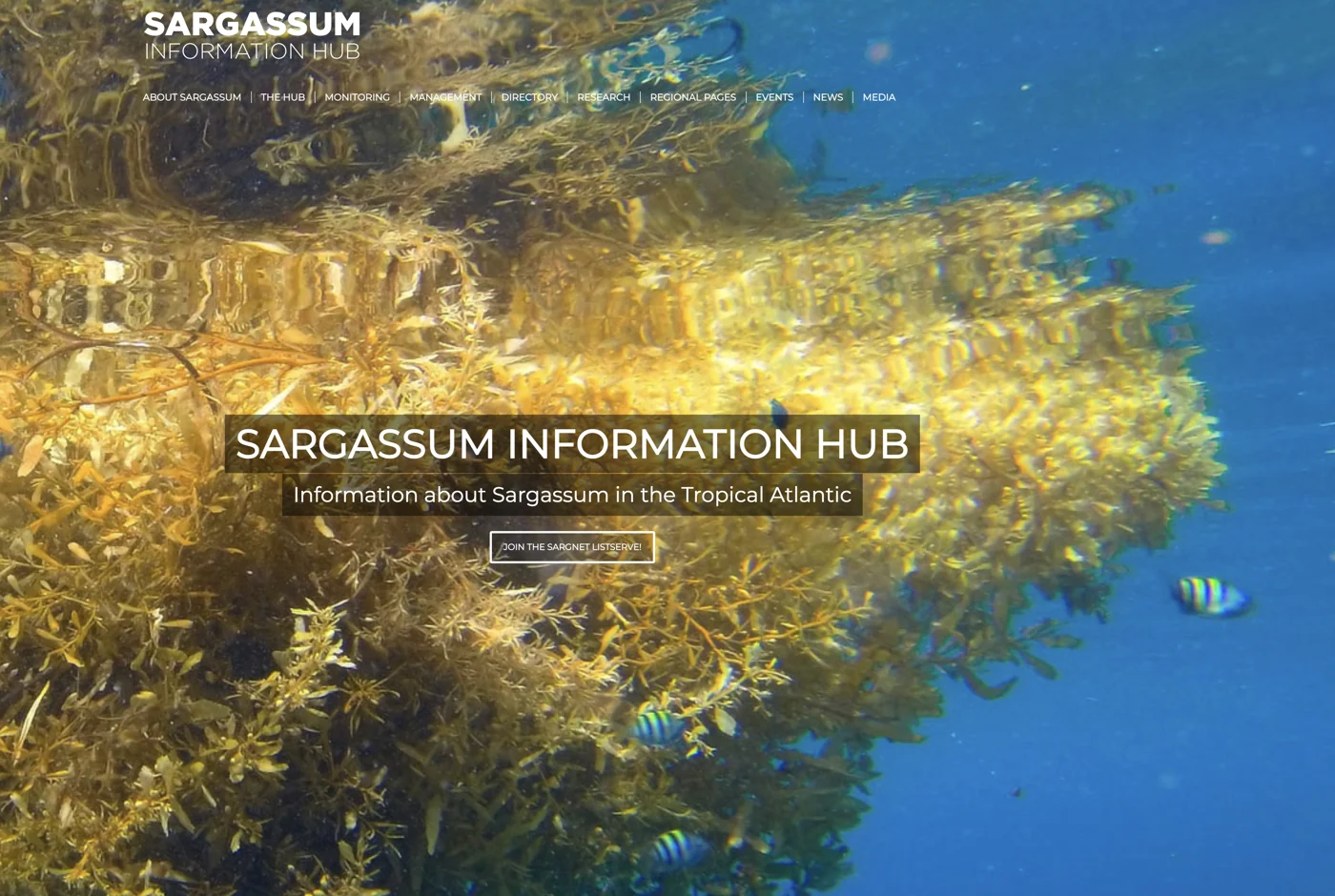
Academic content was developed alongside participation in coordinating an international scientific community addressing sargassum. This work expanded interaction with specialists and settings for applying organizational knowledge.
Academic content and scientific collaboration
2020 · Organizational management during the pandemic
View photos and moreHide
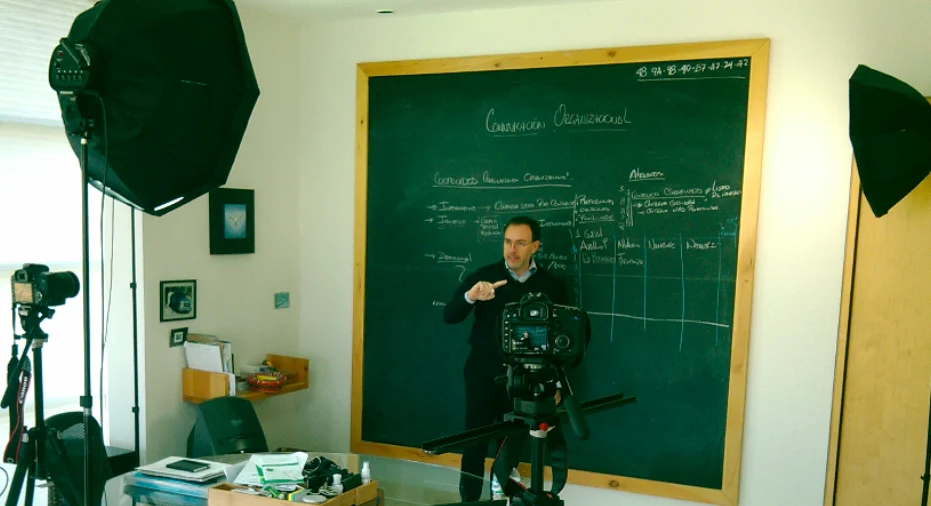
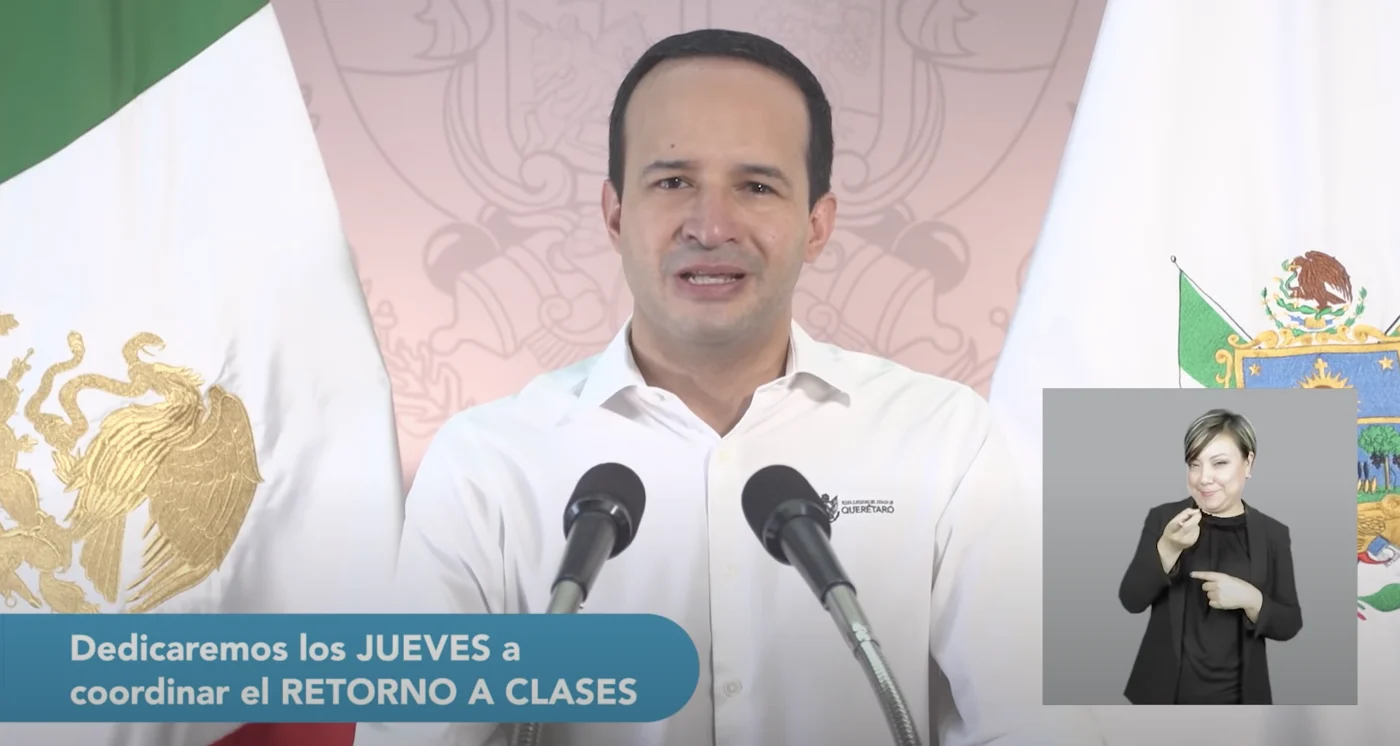
WOI participated in organizational management during the COVID-19 pandemic in Querétaro, with public-facing strategies and models based on population participation.
The experience included the “1-2-3-4” crisis management structure, metrics, organizational public communication, social training and modulation, and approaches to regenerating the social ecosystem after the pandemic.
Organizational management during the pandemic
Organizational management during the pandemic
2022 · Opening knowledge to new contexts
View photos and moreHide
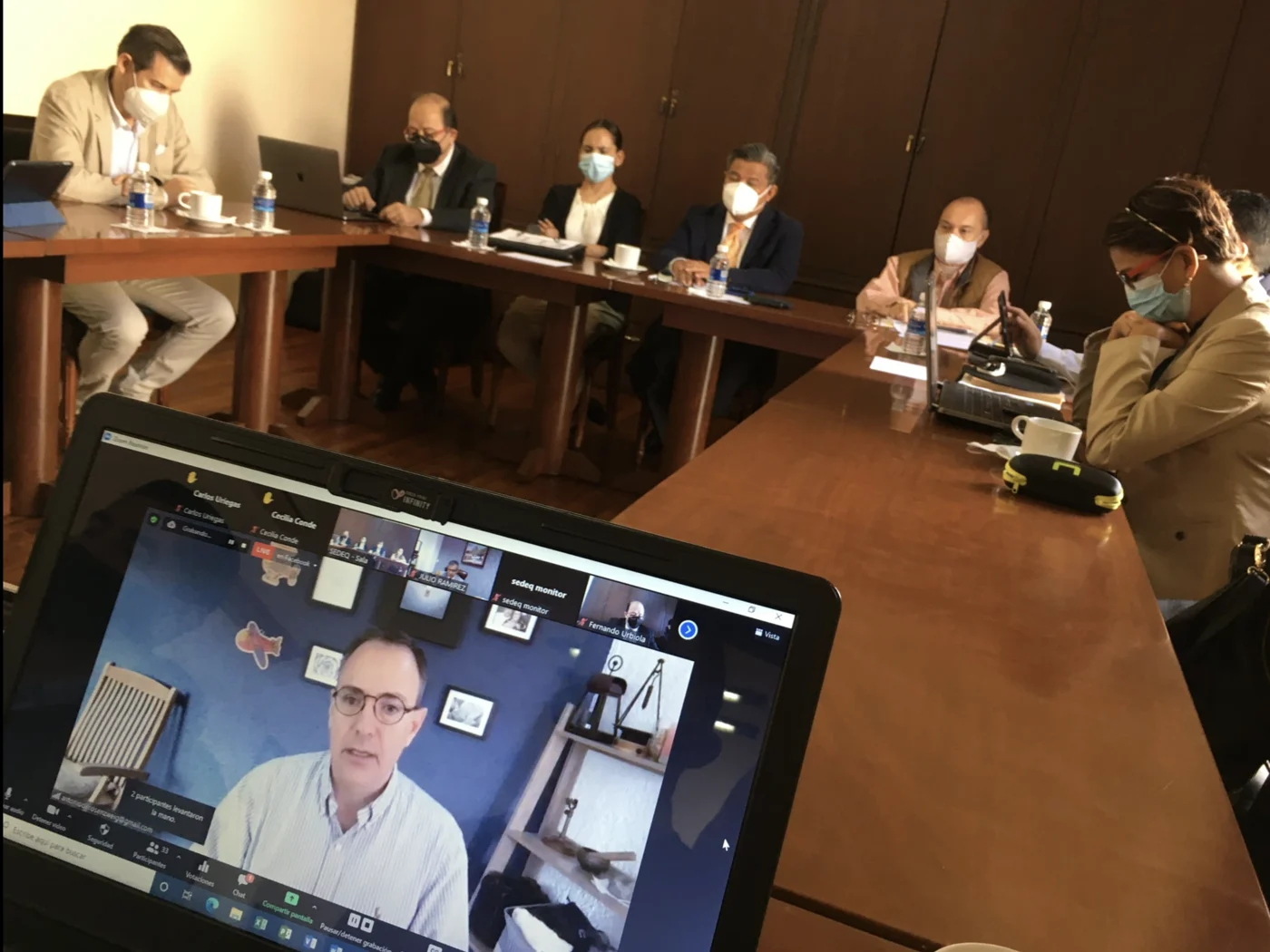
Knowledge-sharing models expanded for schools, universities and consulting firms, alongside support for recovering companies and organizational culture development.
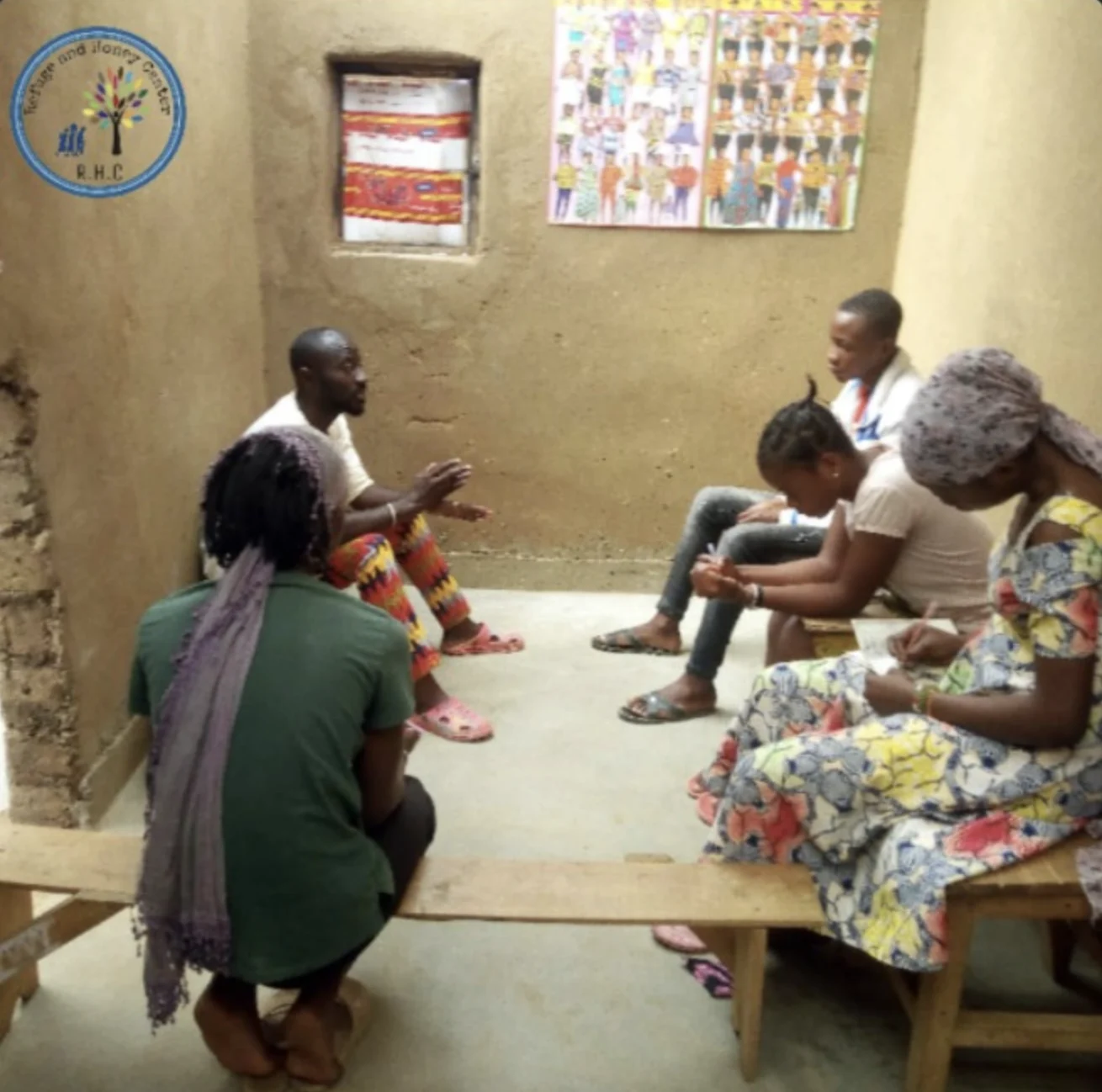
The institutional archive records agreements with UNAM on Mathematics Applied To Organization, continuity projects connected with the University of Guadalajara and FIL, and academic projects in refugee settlements in Uganda.
Corporate Universities was developed to digitize training and organizational culture, alongside connectivity platforms among productive entities linked to the University of Guadalajara, including FIL Guadalajara, Editorial Universitaria, Librería Carlos Fuentes and Taller del Chucho.
Opening knowledge to new contexts
Opening knowledge to new contexts
2023 · Organization and cultural diversity
View photos and moreHide
Attention turned to the relationship between organizational knowledge and culture, and to programs addressing crises and disasters through population participation. Refugee settlements in Africa and Acapulco after Hurricane Otis were among the contexts informing this reflection.
Proposals were developed for Mexico’s National Institute of Anthropology and History to bring OCCN into diverse cultural settings, beginning with pilot programs in Mexico.
2024 · Digitizing organizational knowledge
View photos and moreHide
Applications were developed to put organizational knowledge into practice, including the Business Organization Coefficient (COe) and ToDuuu, focused on activity tracking and personal habits and skills.
Knowledge-sharing continued through certifications, courses, academic programs, publications and conferences.
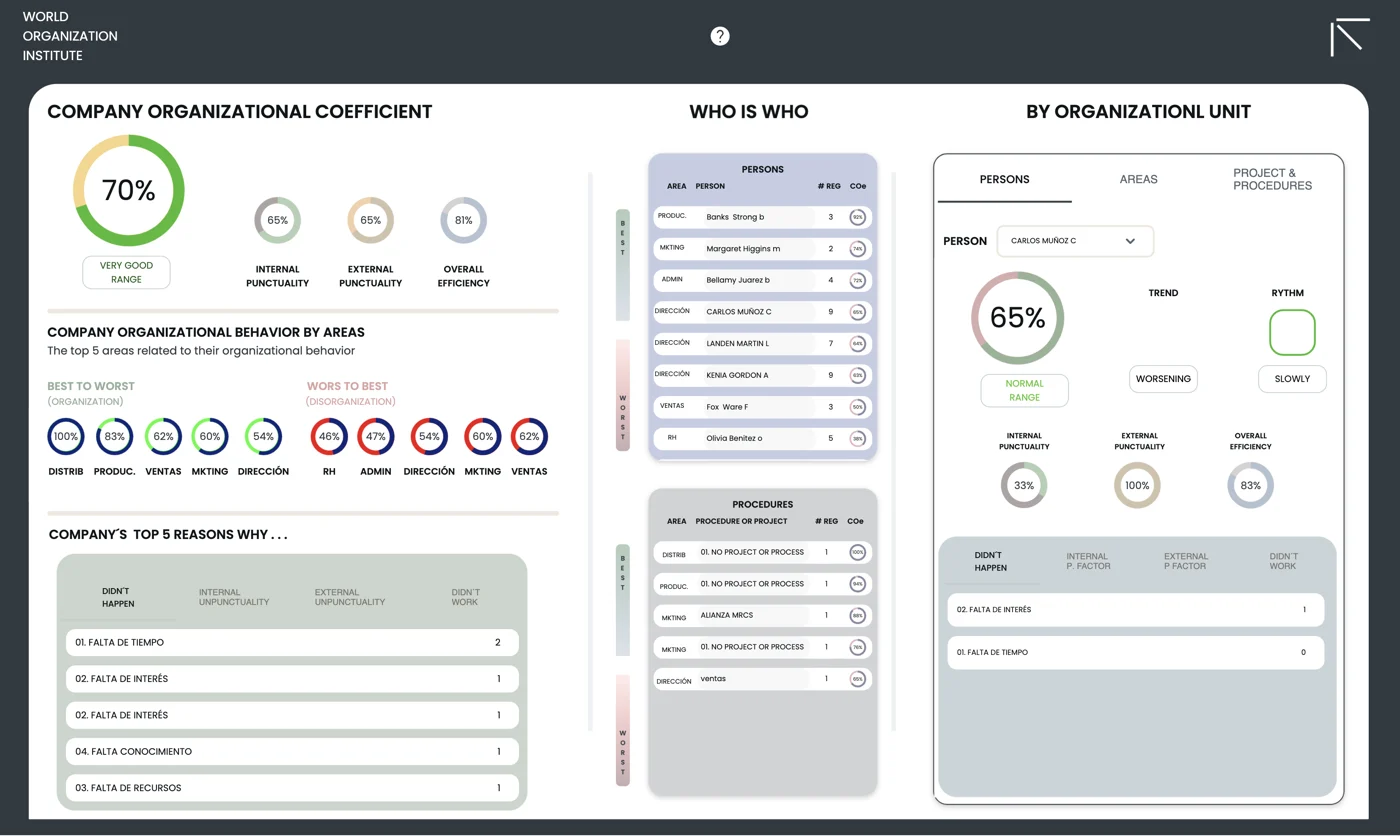
Digitizing organizational knowledge
2025 · Open knowledge and artificial intelligence
View photos and moreHide
The archive for this stage brings together early artificial intelligence modules, the Global Atlas Of Organizational Patterns project, initiatives opening knowledge to communities, and a YouTube channel for social training in crisis and disaster settings.
It also presents NAYA, an application for teaching organization across different subjects and languages. These initiatives precede the new Web Campus stage.
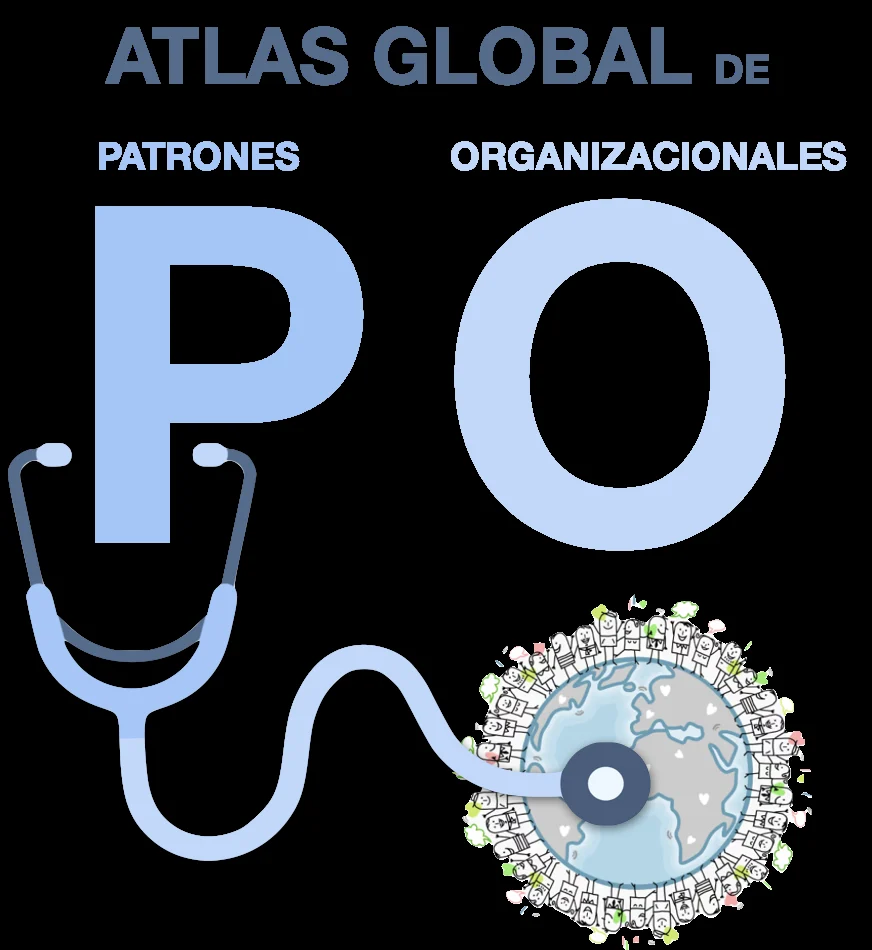
Open knowledge and artificial intelligence
Open knowledge and artificial intelligence
2026 · The Web Campus: a new chapter
View photos and moreHide
Integration of artificial intelligence into WOI and the birth of the Web Campus: a multicultural, multilingual platform supported by digital tools for learning and applying organizational knowledge.
This developing stage brings together the institutional website, access to knowledge and new interaction tools, with the aim of adapting learning to different people, languages and contexts.
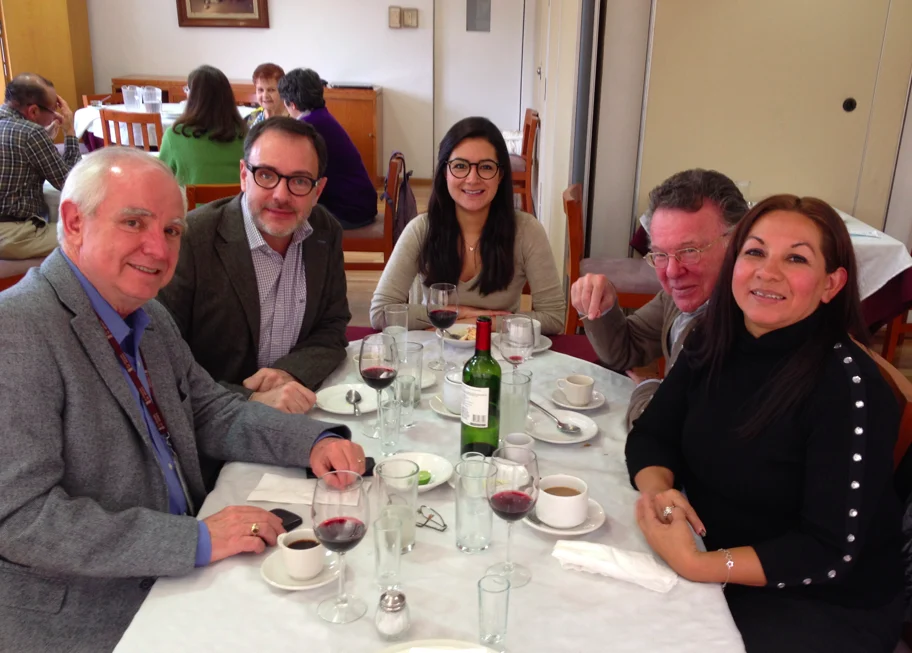
Our institutional archive
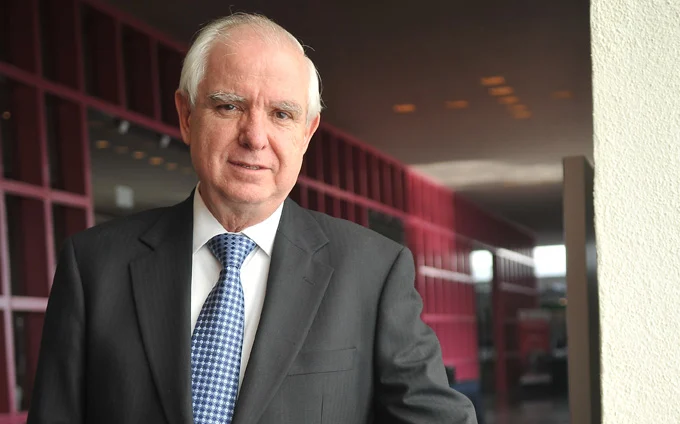
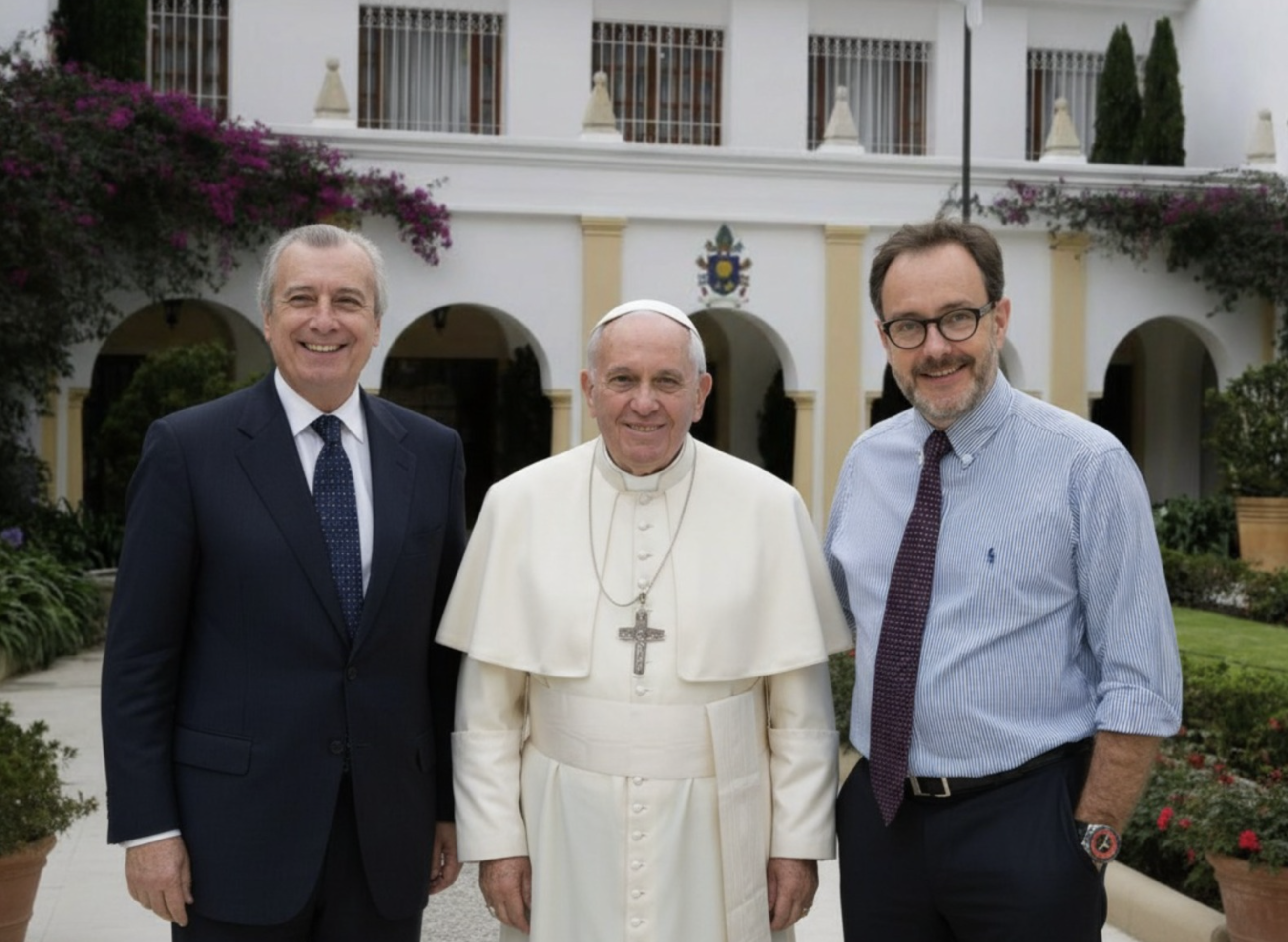
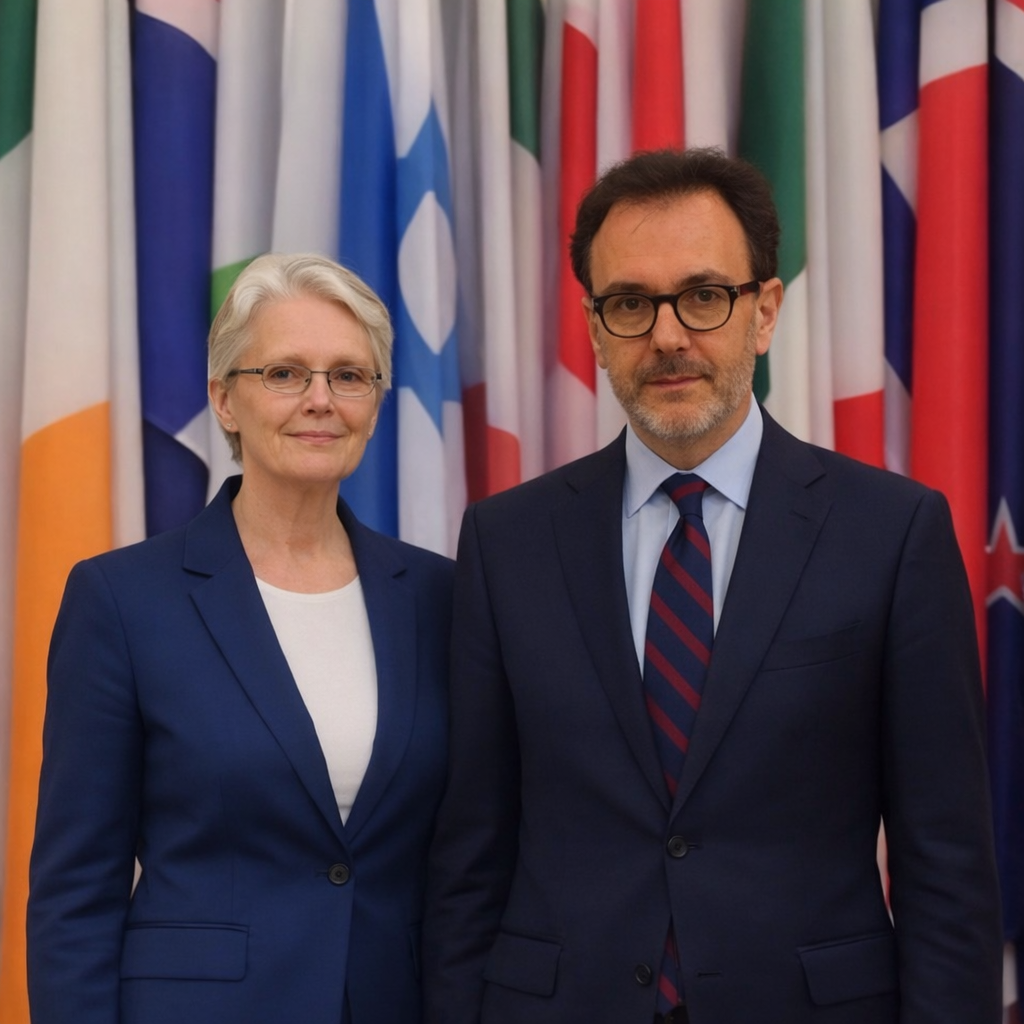
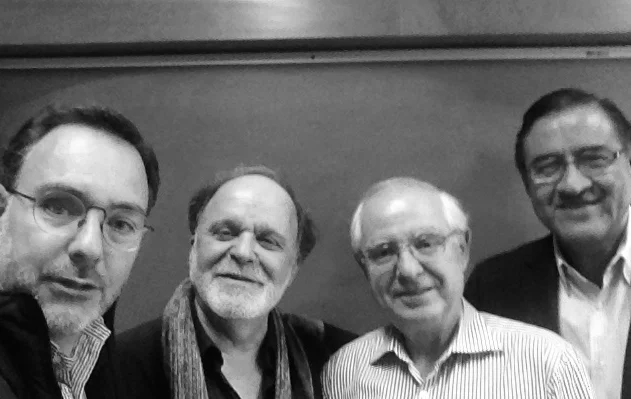
This journey brings together the Institute’s historical account and doctrinal developments. Photographs come from its published archive; logos identify entities mentioned within it.
Institutional archive · images and references from the journey
Institutional archive · images and references from the journey
Institutional archive · images and references from the journey
Institutional archive · images and references from the journey
Institutional archive · images and references from the journey